ATLAS and CMS recognise longstanding industrial partner Hamamatsu Photonics K.K.
16 July 2026 | By
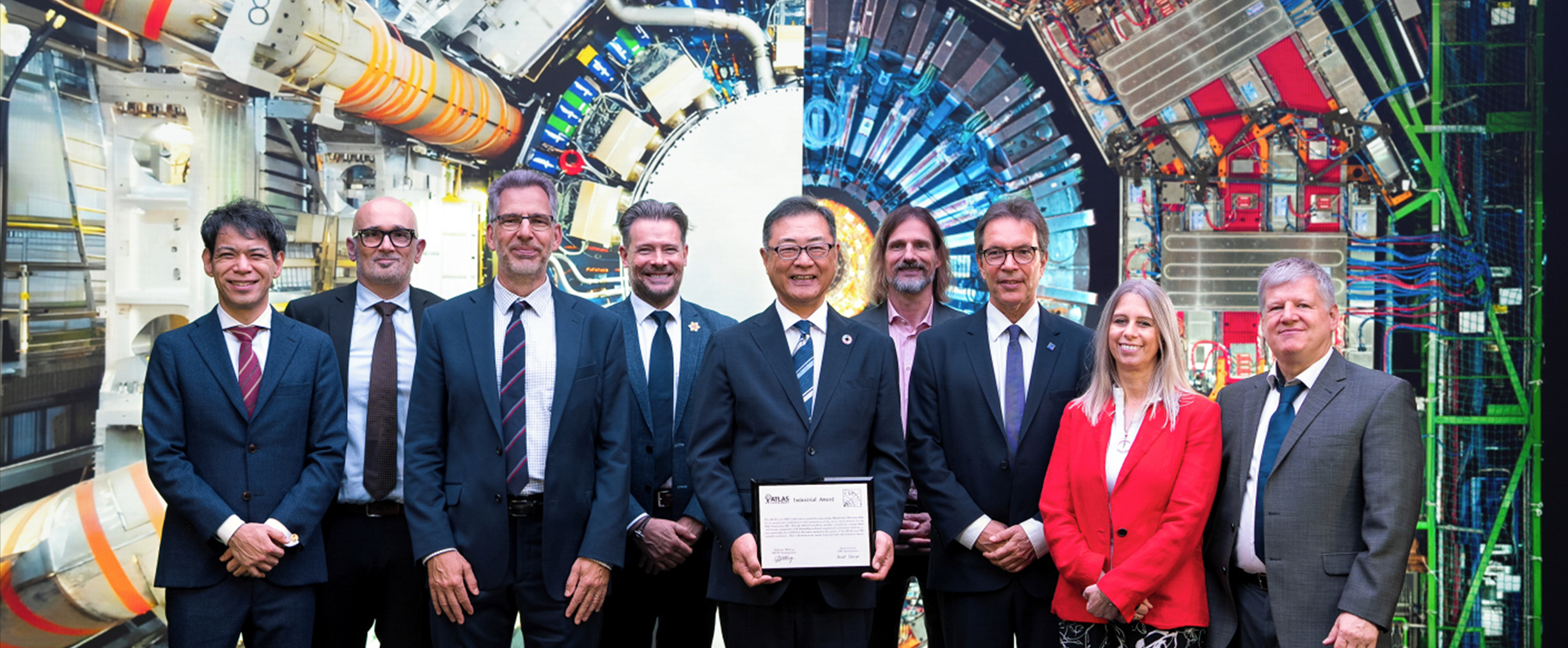
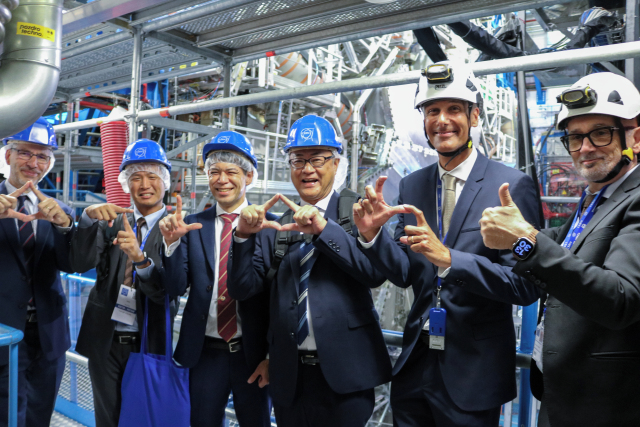
Hamamatsu Photonics K.K. was announced as the 2026 Industrial Award winner by the ATLAS and CMS Collaborations at a dedicated ceremony on 15 July 2026.

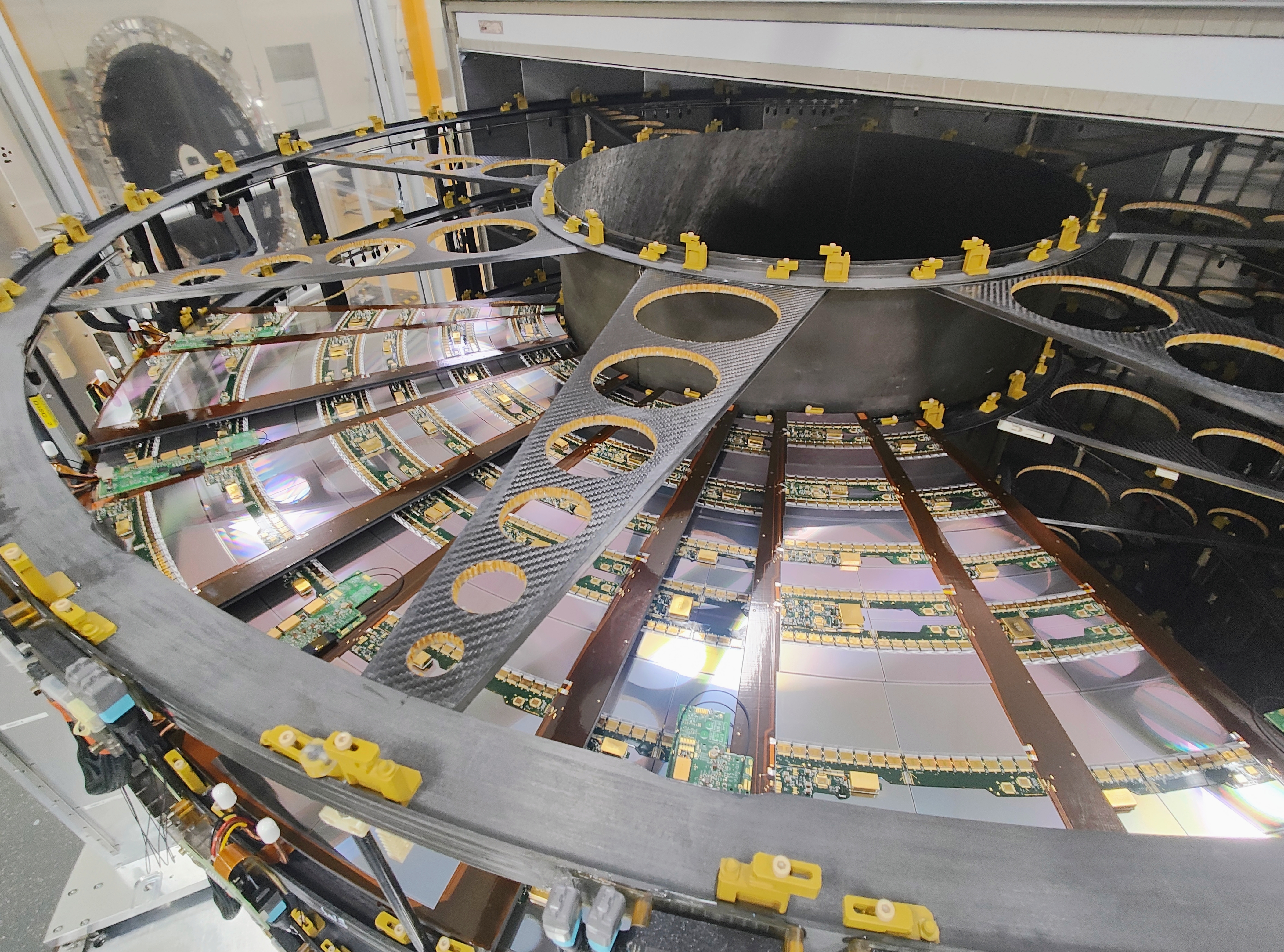
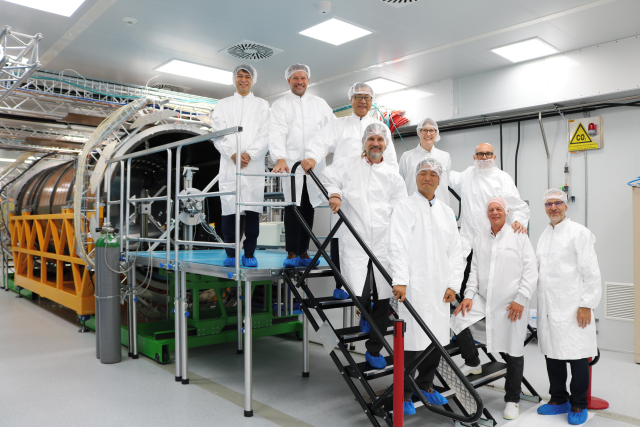
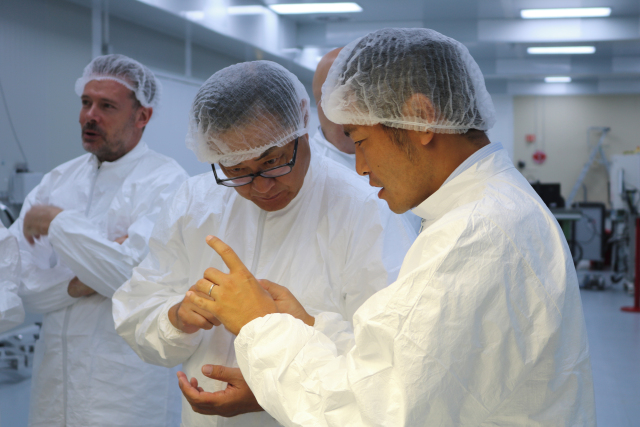
With this award, the ATLAS and CMS Collaborations recognise the crucial role Hamamatsu Photonics K.K. has played in the development and production of advanced technologies, as well as the ongoing, deeply rooted partnership that has been established with both experiments over many years. Through this close collaboration, Hamamatsu Photonics has made exceptional contributions to the construction of the strip and pixel detectors for the ATLAS Inner Tracker (ITk), the CMS Outer Tracker and Inner Tracker, the CMS High-Granularity Calorimeter and the CMS MIP Timing Detector for the High‑Luminosity LHC upgrade project.
“For decades, Hamamatsu Photonics’ exceptional sensor technology has been a cornerstone of CMS, enabling groundbreaking physics results documented in more than 1500 scientific publications. This unique partnership and shared mission will continue to drive the experiment’s success in the demanding High-Luminosity LHC era,” says CMS Spokesperson Anadi Canepa
“Over many years, ATLAS and Hamamatsu Photonics have built a partnership founded on mutual trust, technical excellence and a steadfast commitment to scientific discovery. As we enter the High-Luminosity LHC era, we are proud to continue working with a partner that has made such an important contribution to the success of ATLAS,” adds ATLAS Spokesperson Stéphane Willocq.
Hamamatsu Photonics’ expertise, responsiveness and flexibility in accommodating evolving requirements have been instrumental in transforming the ambitious detector concept for the ATLAS Inner Tracker into reality.
Based on technical excellence, steadfast commitment and collegial R&D, and having weathered demanding technical requirements and project schedules, this partnership has borne fruit over several decades, becoming essential to the success of the ATLAS and CMS scientific endeavour. Achievements include the development of high-quality p-type sensors for strip and pixel detectors on six-inch production lines, the first large-scale eight-inch production for pad sensors, novel LGADs (low gain avalanche diodes), numerous SiPMs (silicon photomultipliers), and significant manufacturing support throughout the bump‑bonding process.
Across both ATLAS and CMS, about 1000 m2 of silicon wafers were procured from Hamamatsu Photonics, reflecting the scale and importance of the contribution to the effort to prepare the detectors for the high-luminosity era.
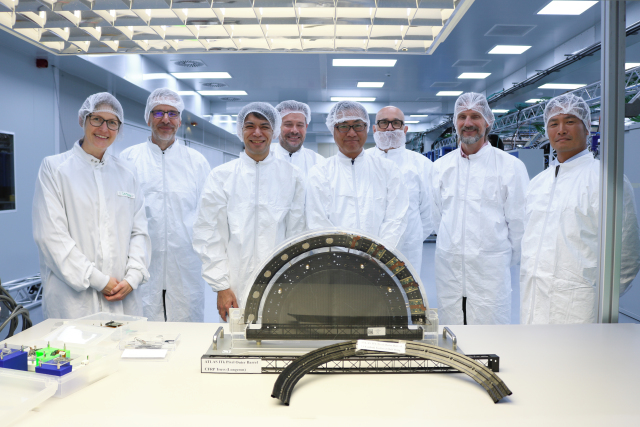
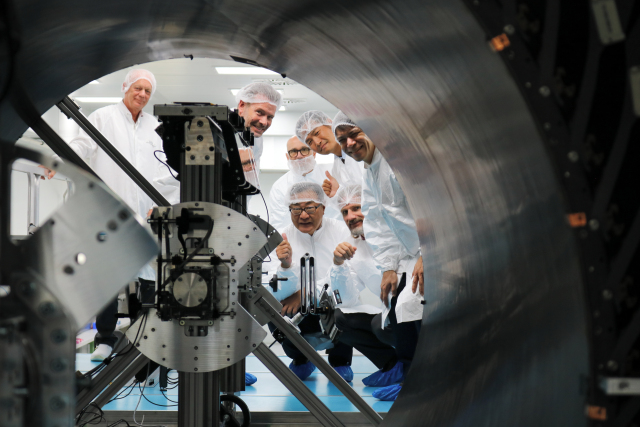
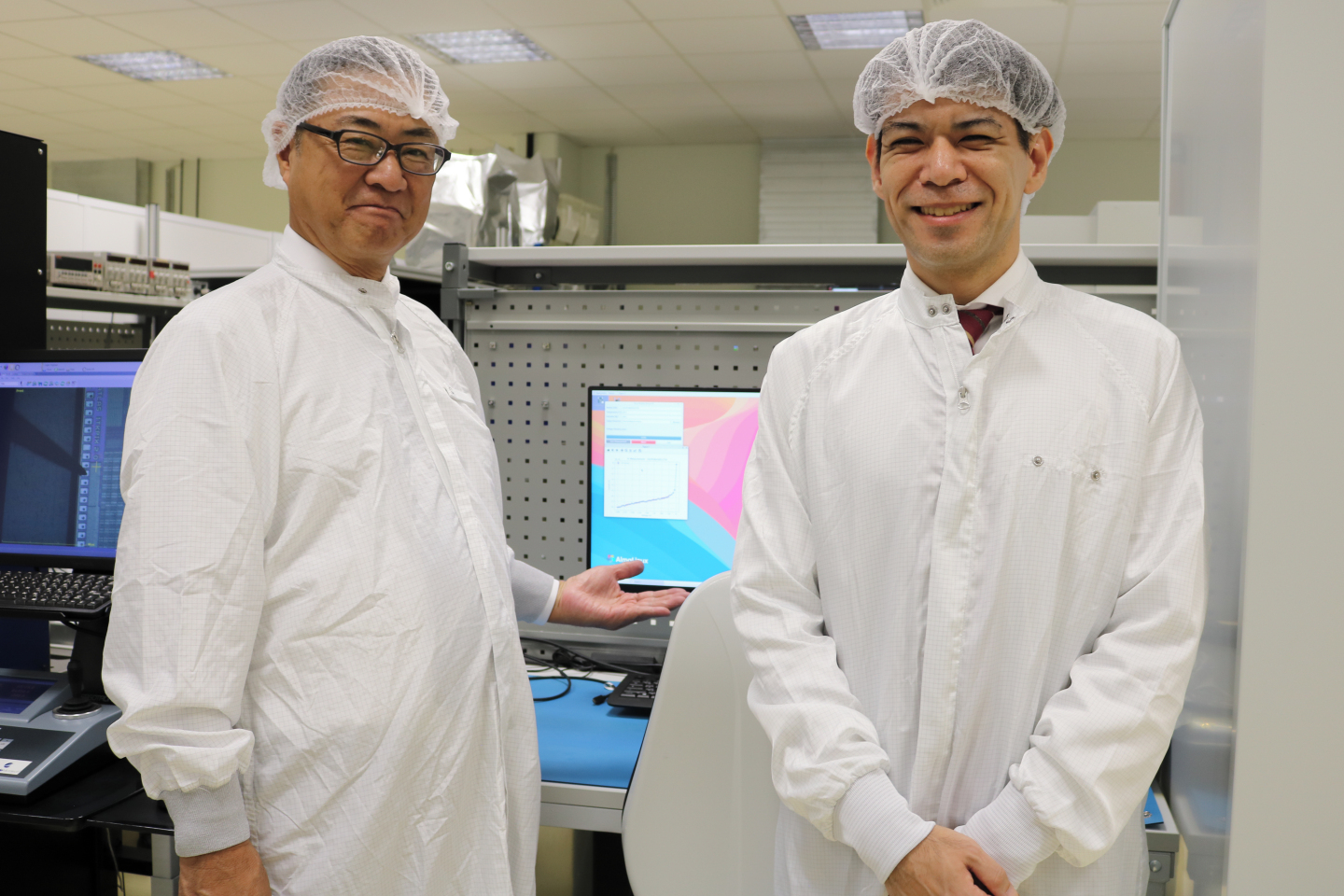
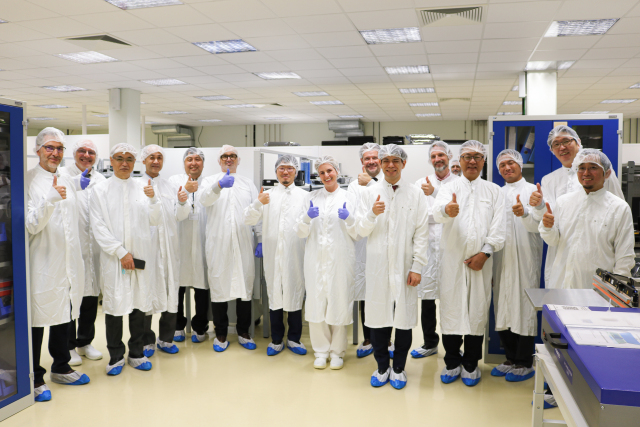
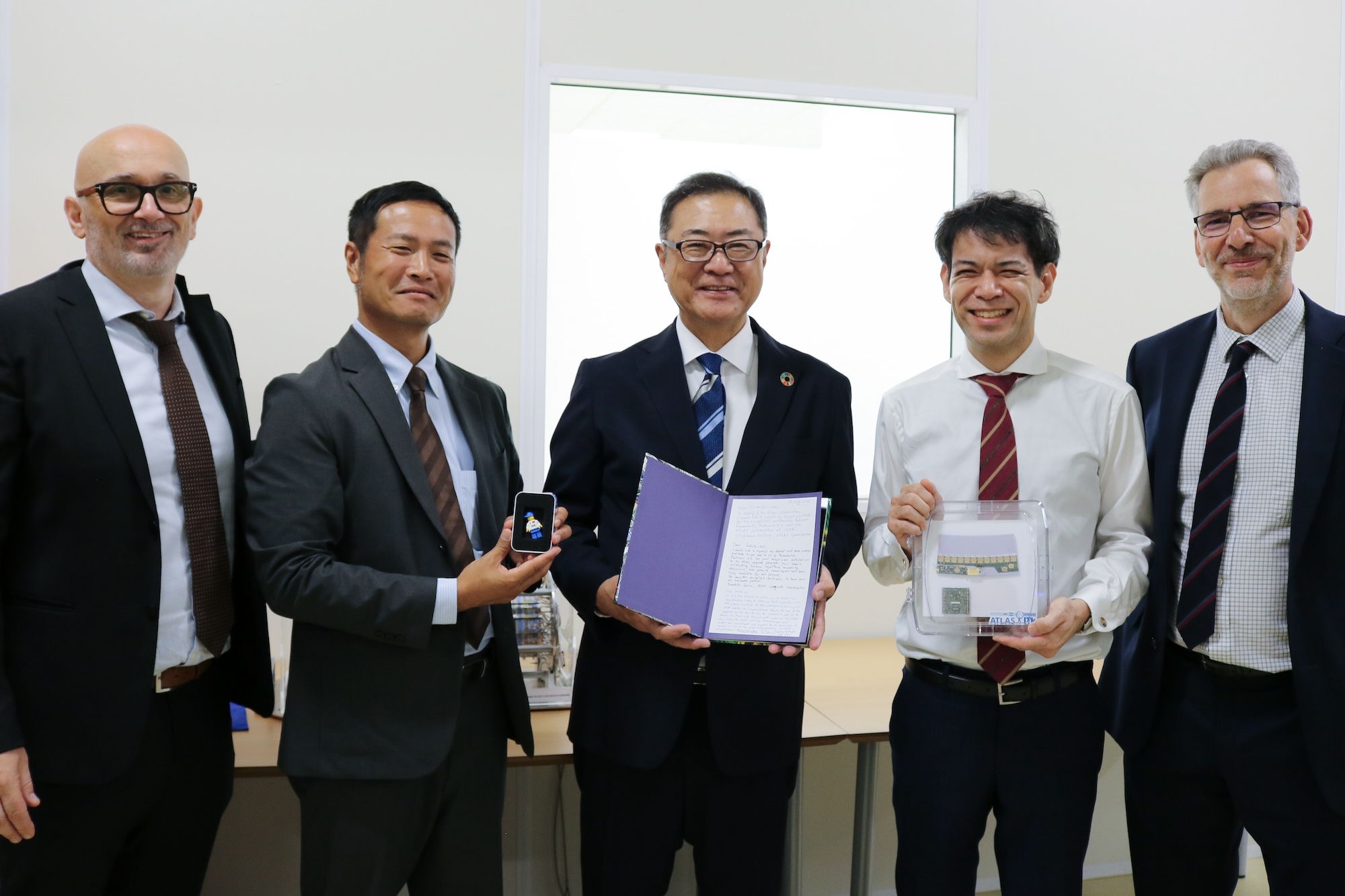
“The ATLAS ITk is the most ambitious detector upgrade ever undertaken by our Collaboration. Throughout its development, Hamamatsu Photonics K.K. has made outstanding contributions, from the development of high-quality sensors for the ITk strip detector to the joint development of p-type sensors for the ITk pixel detector and substantial manufacturing support throughout the bump‑bonding process. Their expertise, responsiveness and flexibility to accommodate our evolving requirements have been instrumental in turning an ambitious detector concept into a reality,” says Benedetto Gorini, ATLAS Upgrade Coordinator.
“Recently, we ordered an unprecedented amount (over 800 m²) of silicon sensors across five different base technologies. All the sensors were developed and prototyped together with HPK, and all the deliveries were timely and of remarkable quality. Without HPK's unique expertise and commitment, the ambitious CMS upgrade would not be possible. This is not a standalone occurrence; I have been working with HPK since 1997 on numerous projects. R&D, prototyping, process optimisation and reliable mass production,” says Frank Hartmann, CMS Upgrade Coordinator.
The ATLAS and CMS Collaborations are proud to honour these achievements with the 2026 Industrial Award and look forward to the continued collaboration with Hamamatsu Photonics into the future.