ATLAS enters the high-luminosity era
29 June 2026 | By
At 05:52 a.m. on 27 June 2026, the final protons of the Large Hadron Collider's third data-taking period circulated through the accelerator, bringing Run 3 to a close and marking the end of a remarkable chapter in particle physics. But for the thousands of scientists, engineers and students of the ATLAS Collaboration, this is not an ending so much as a transition.
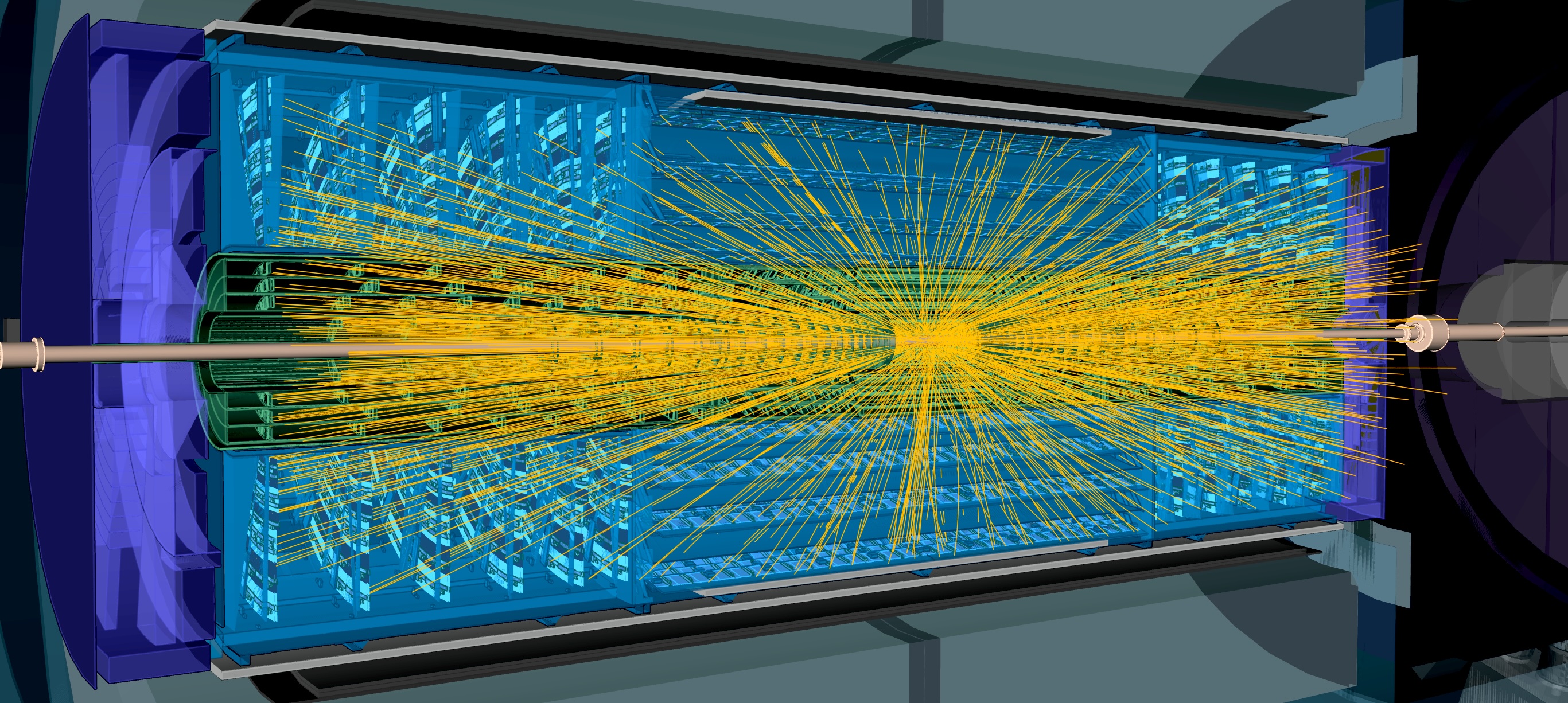
The next several years will be devoted to transforming both the LHC and the ATLAS experiment for the High-Luminosity LHC (HL-LHC or HiLumi LHC), an ambitious upgrade programme that will culminate in the return of particle beams in 2030. The HL-LHC upgrade will dramatically increase the collider's intensity, or “luminosity”. Around 200 proton-proton collisions are expected every time the beams cross, creating an extraordinarily dense environment and delivering immense statistical power to explore the structure of matter and its fundamental interactions.
"The HL-LHC will shape particle physics for decades to come, and preparing for it is among the most ambitious scientific undertakings our collaboration has ever engaged in," says ATLAS Spokesperson Stéphane Willocq. "To record data under these extreme conditions, the ATLAS experiment's core systems have been fundamentally reinvented. This will allow us to continue pushing the frontiers of knowledge, exploring the limits of our current theories and looking for answers to the questions they leave open.”
"The HL-LHC will shape particle physics for decades to come, and preparing for it is among the most ambitious scientific undertakings our collaboration has ever engaged in." – ATLAS Spokesperson Stéphane Willocq
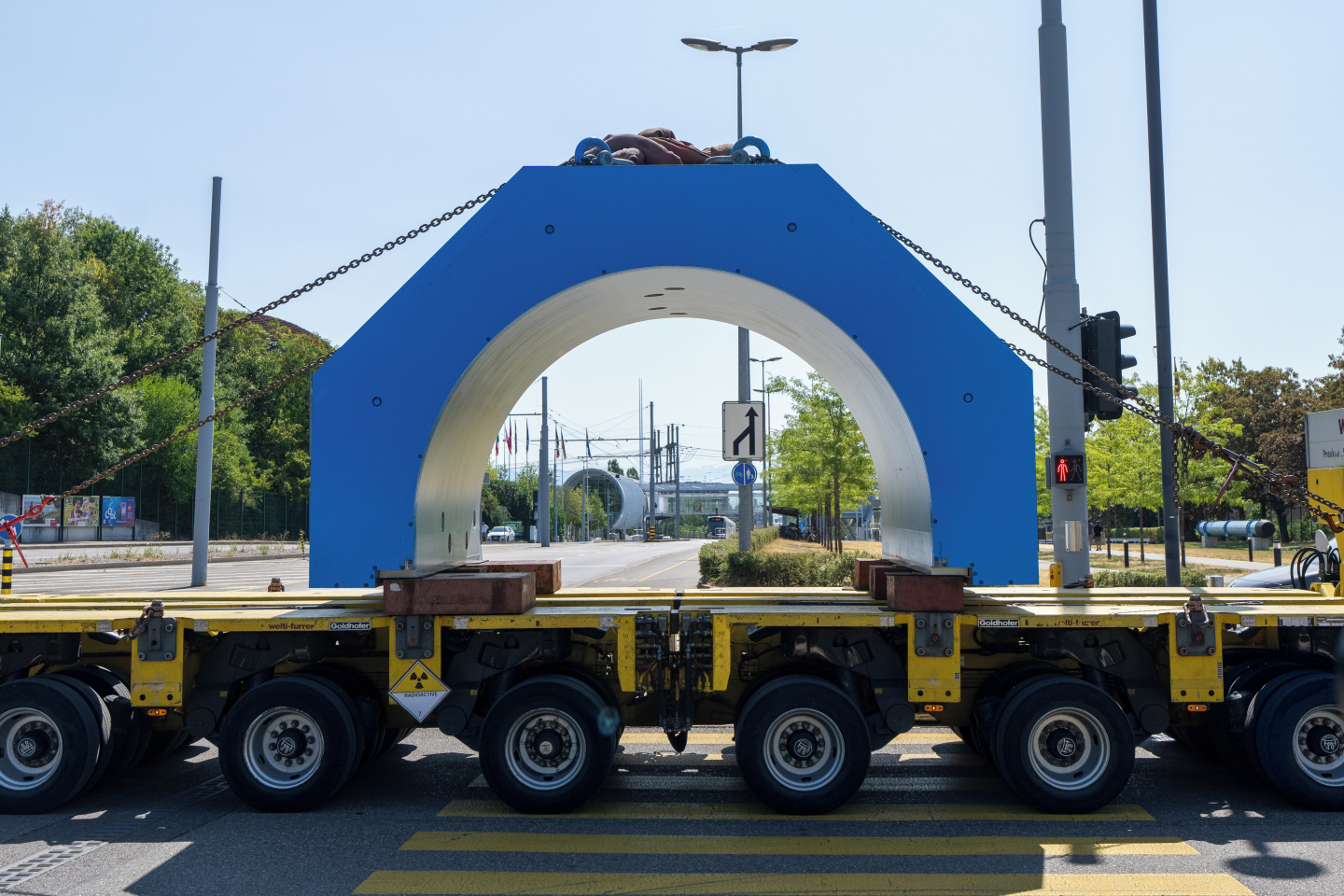
Despite its name – "Long Shutdown 3” – this upgrade period will be anything but quiet, demanding one of the most complex engineering campaigns in CERN's history. Across ATLAS institutes around the world, researchers have spent years designing, constructing and testing the next generation of detector technologies that will now begin making their way to CERN for installation.
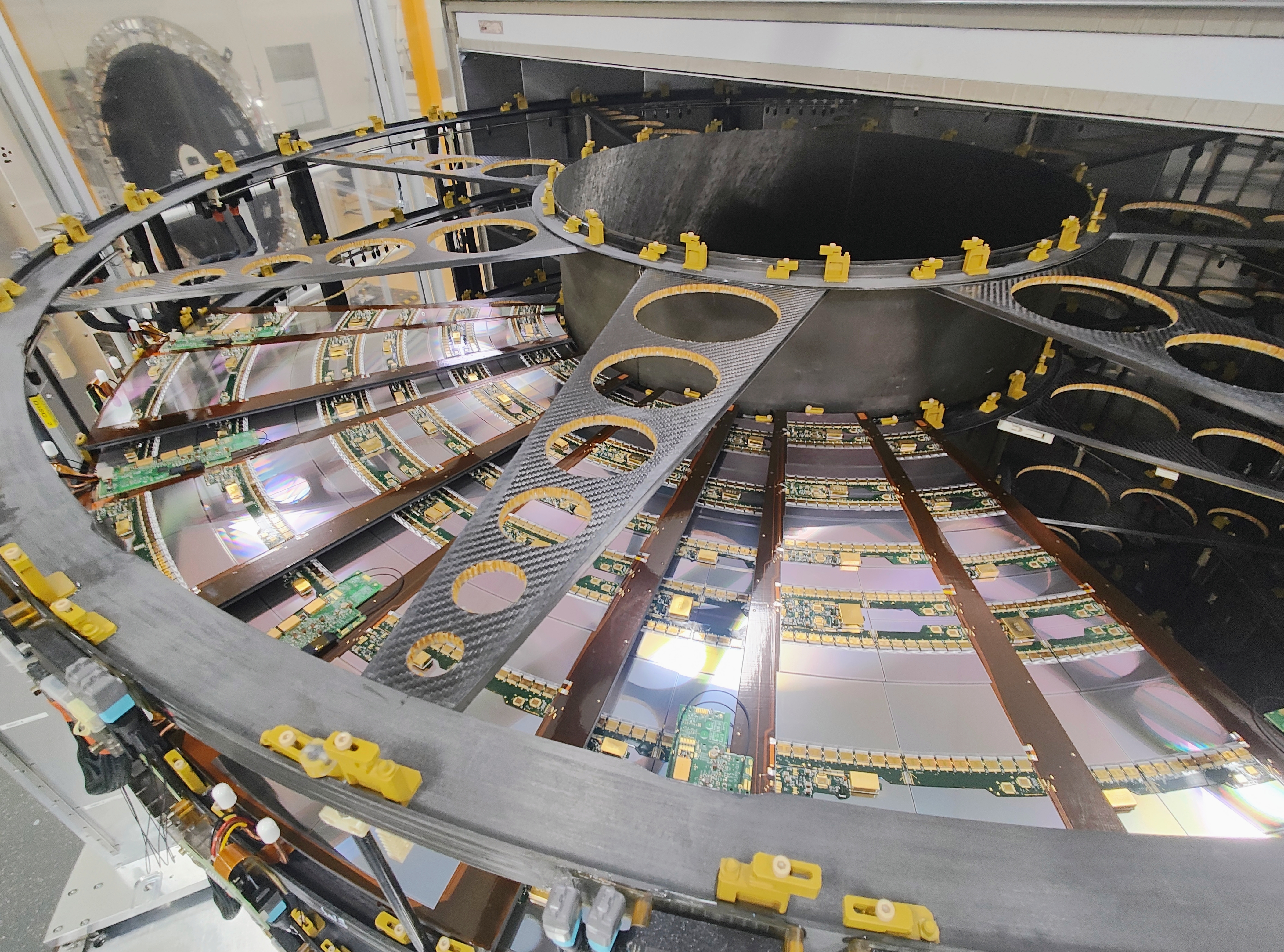
The overhaul includes a brand-new, all-silicon Inner Tracker (ITk) featuring 178 square metres of active silicon detectors and 5 billion readout channels, able to reconstruct particle trajectories with micrometric precision. This is paired with a novel High-Granularity Timing Detector (HGTD) utilising Low-Gain Avalanche Detectors to separate overlapping collisions with a 30-to-50-picosecond track resolution, and a next-generation event-selection system driven by programmable hardware, capable of selecting events at a rate of 1 MHz. The selected data will then be processed by a powerful GPU-accelerated computing farm, isolating the rare and scientifically significant events within a final 10 kHz output stream for detailed analysis. Along with electronics upgrades throughout the experiment, physicists will be transforming nearly every aspect of the experiment.
"It is an ambitious and deeply complex programme that demands an all-hands-on-deck effort from our entire collaboration, and thousands of ATLAS members worldwide have been engaged in these activities," says Benedetto Gorini, ATLAS Upgrade Coordinator. "Our upgrade projects have been underway for several years, advancing steadily from design and prototyping into large-scale production and global integration. We are now entering a critical phase: finalising construction and preparing these systems for installation in the ATLAS experiment."
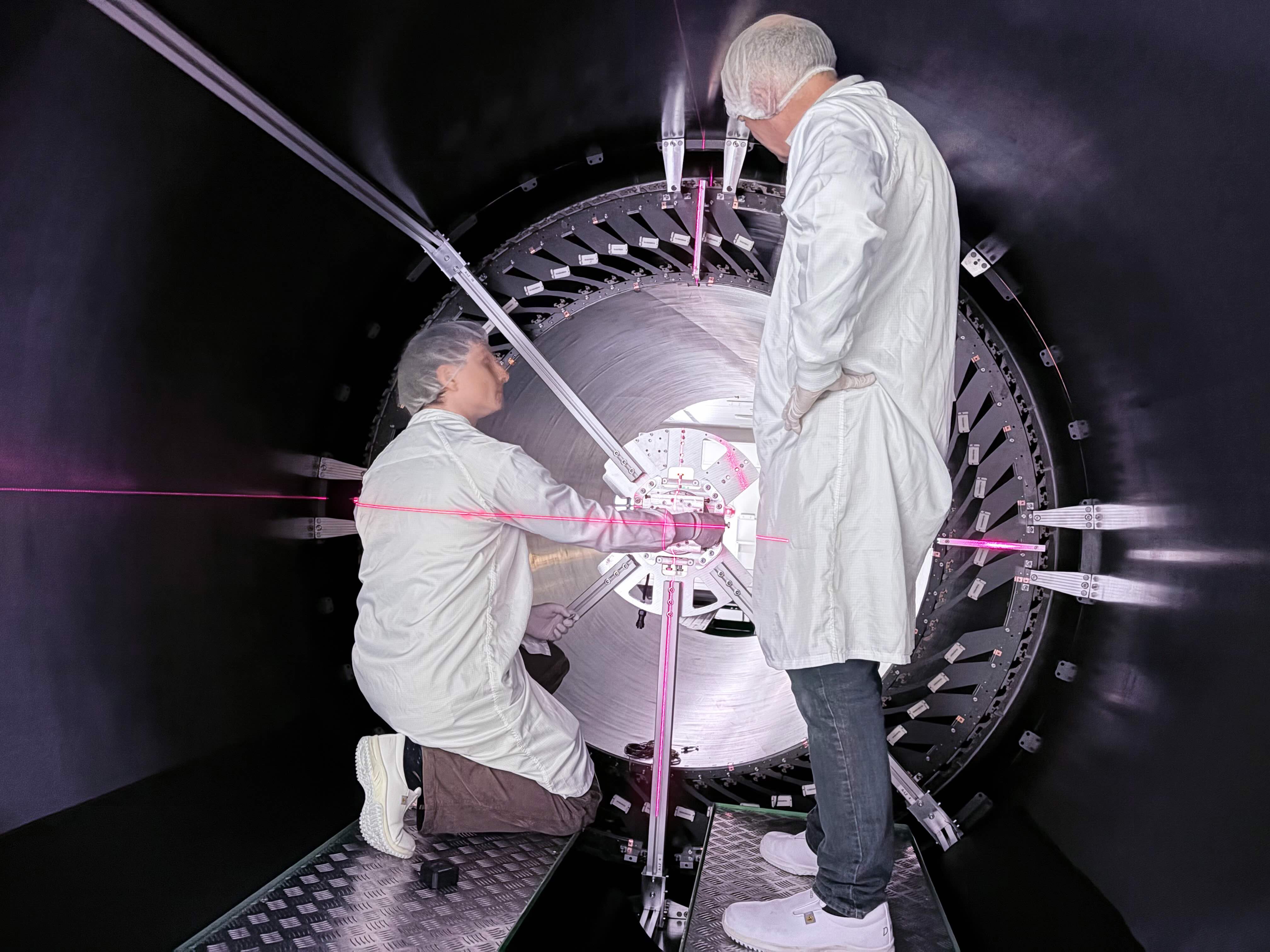
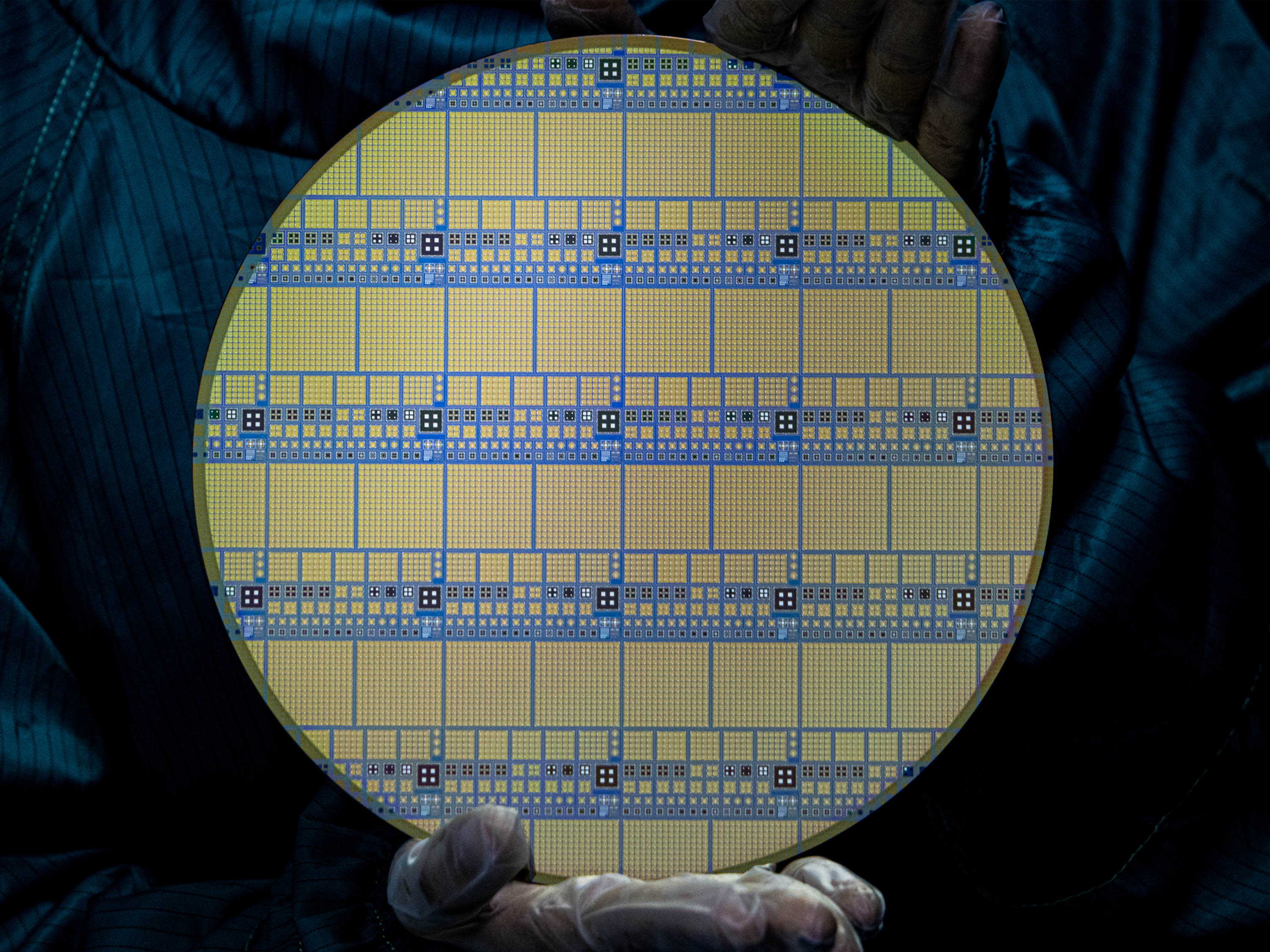
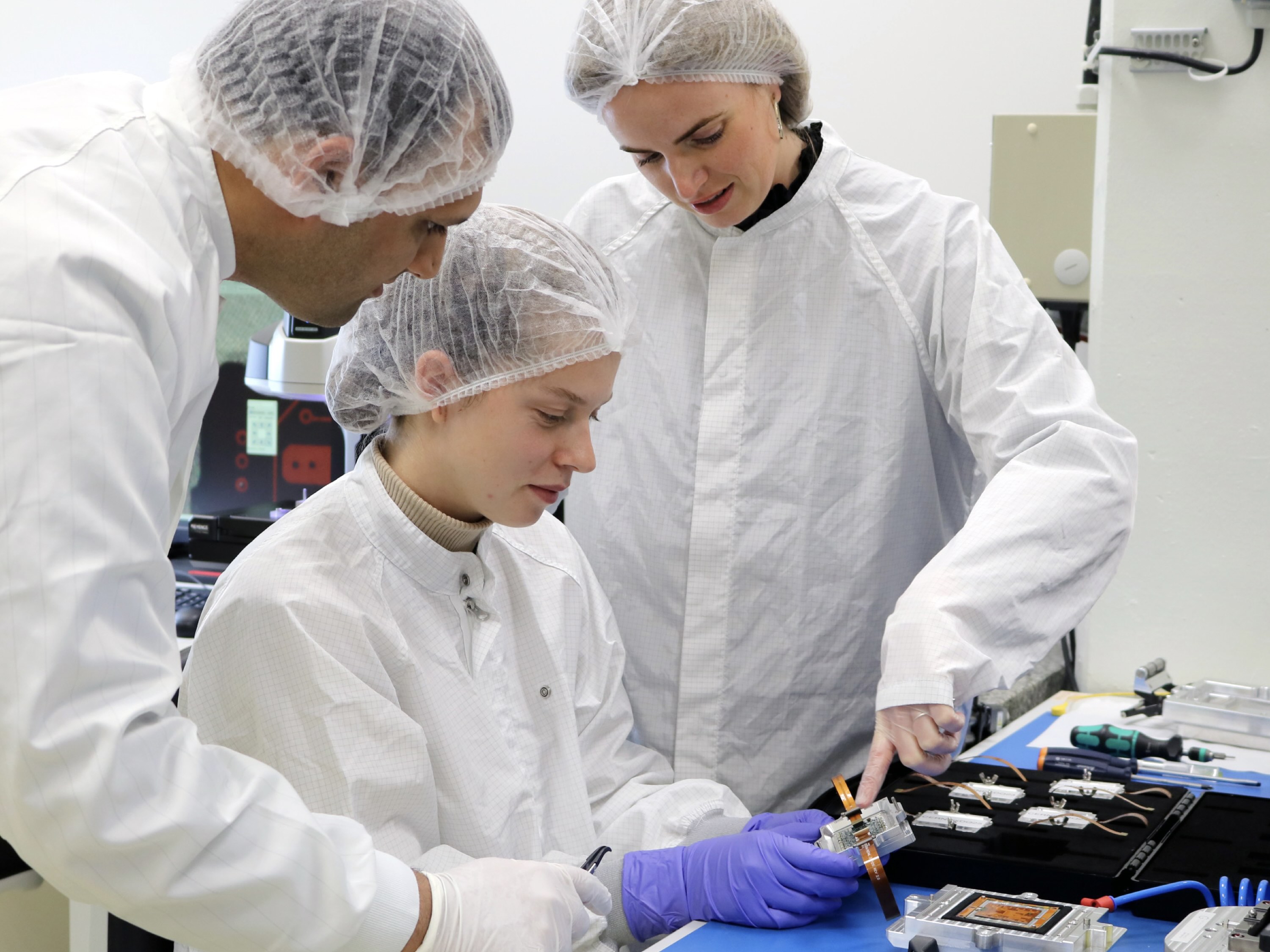
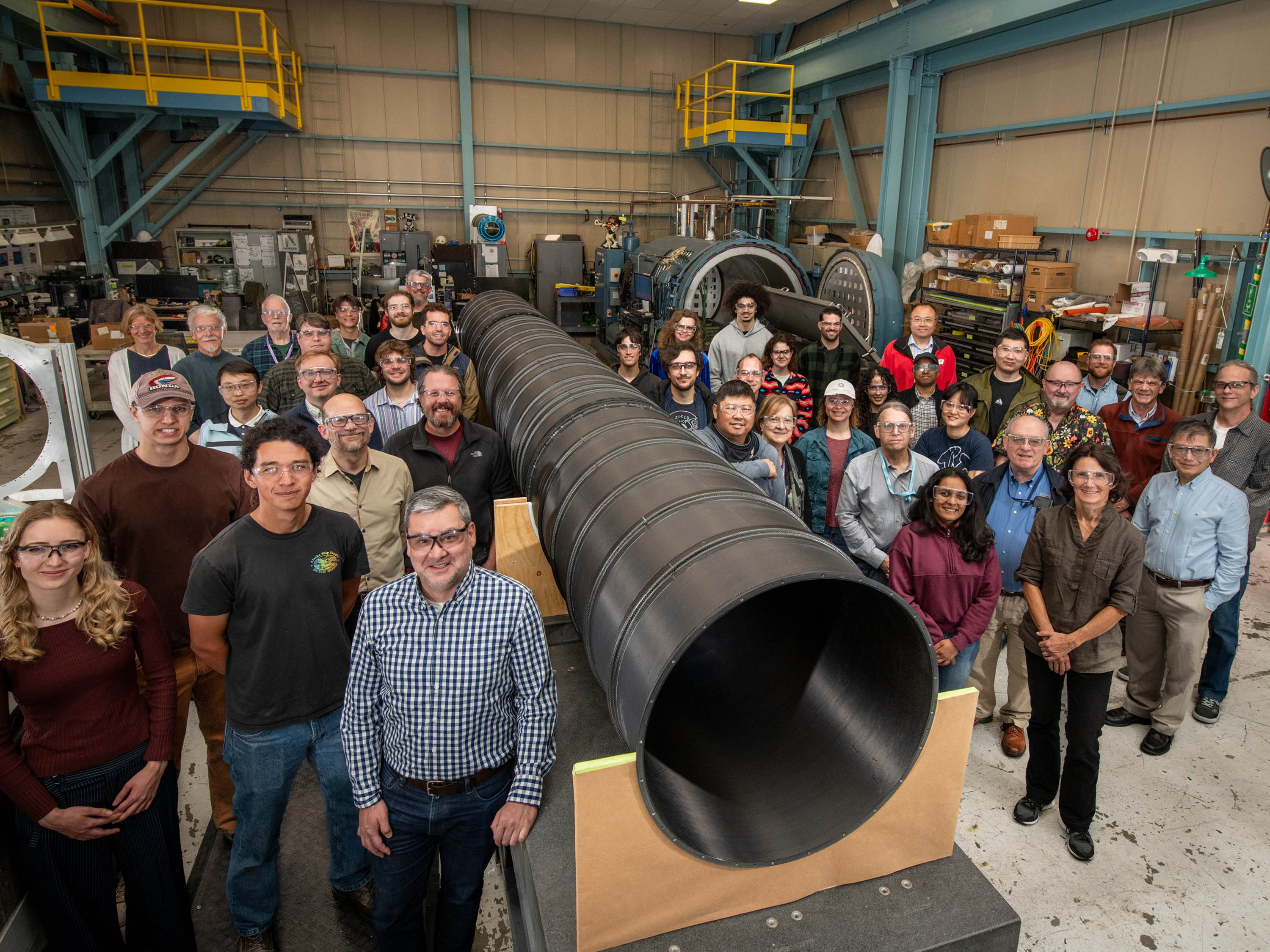
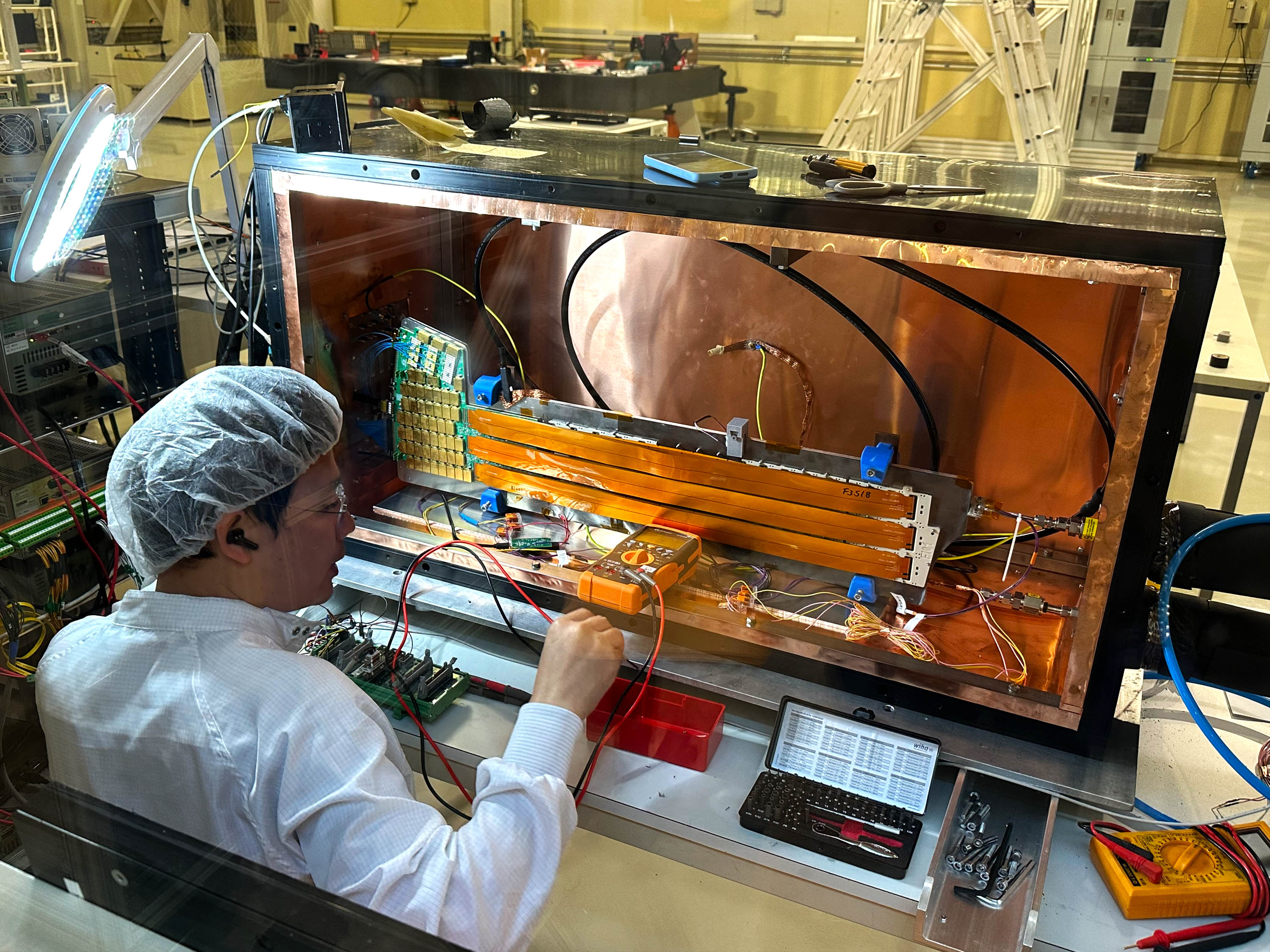
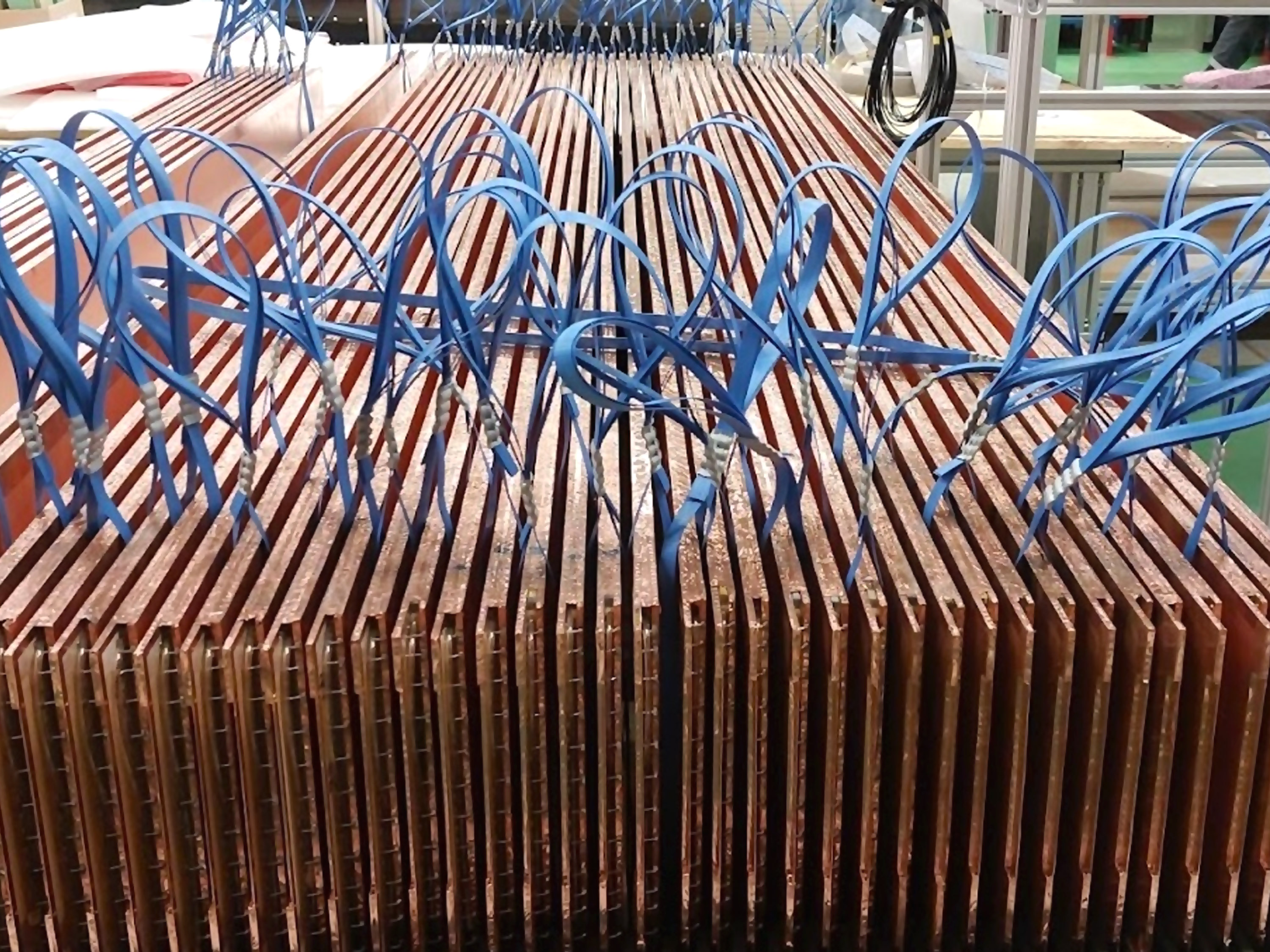
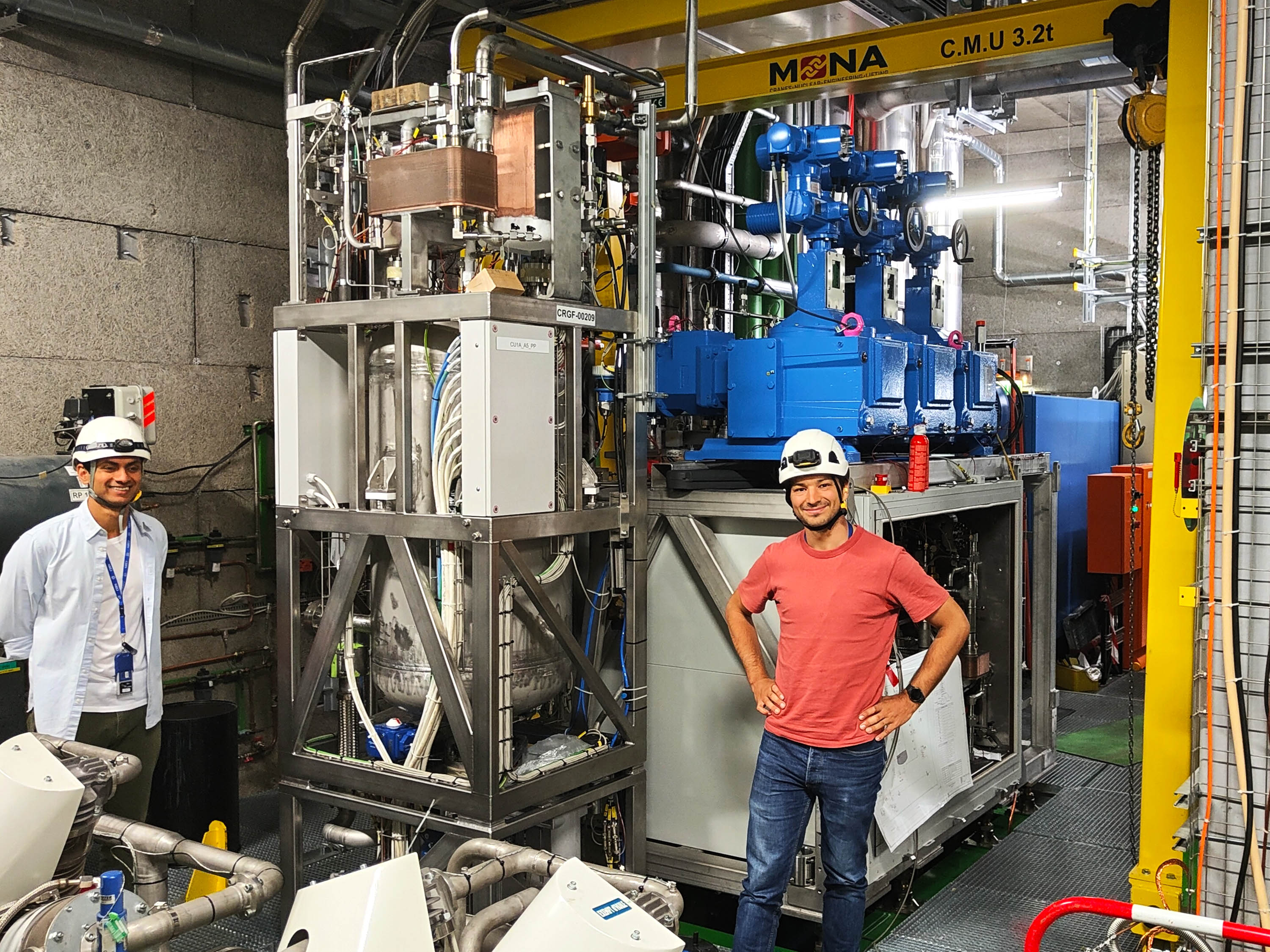
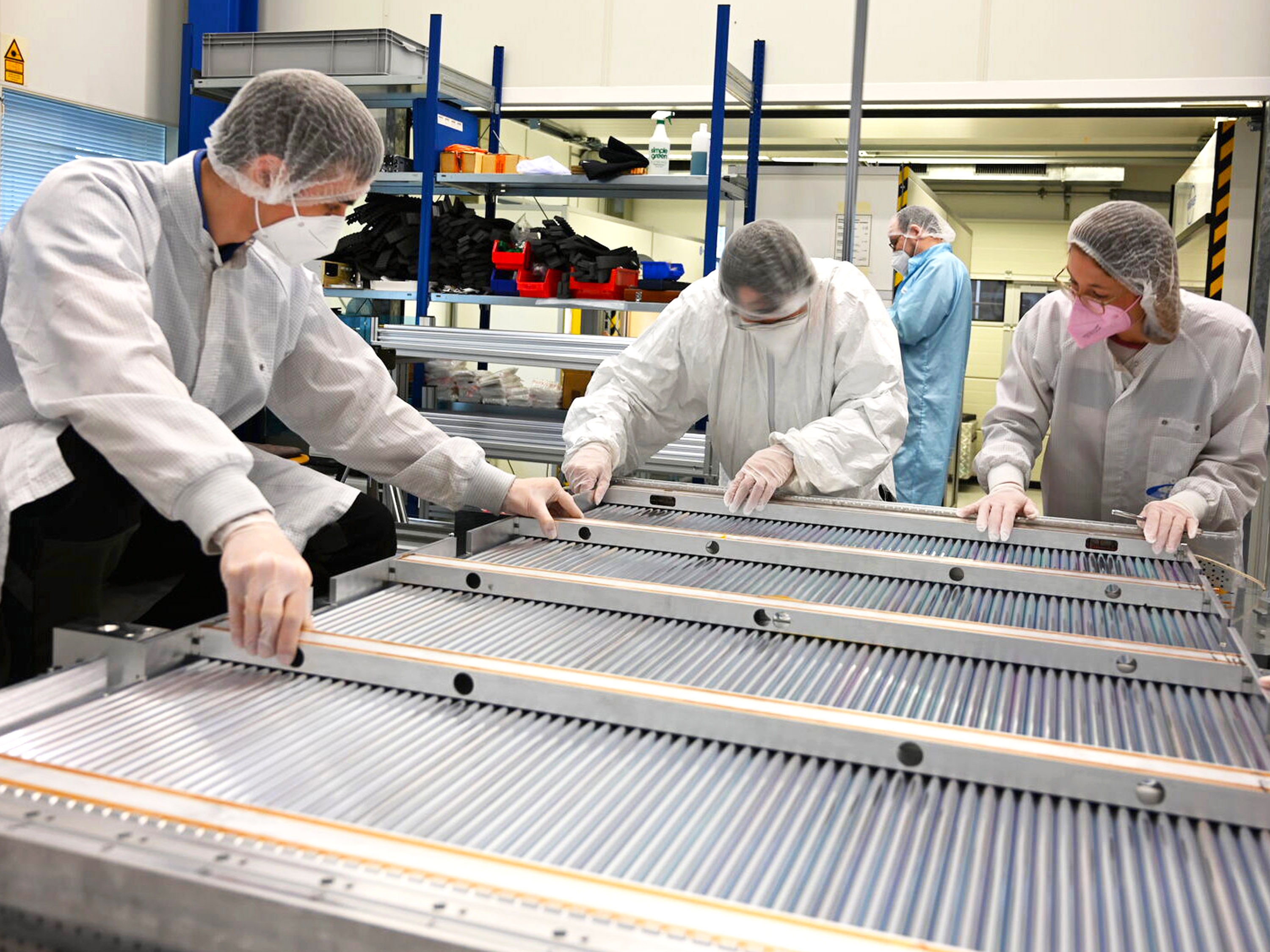
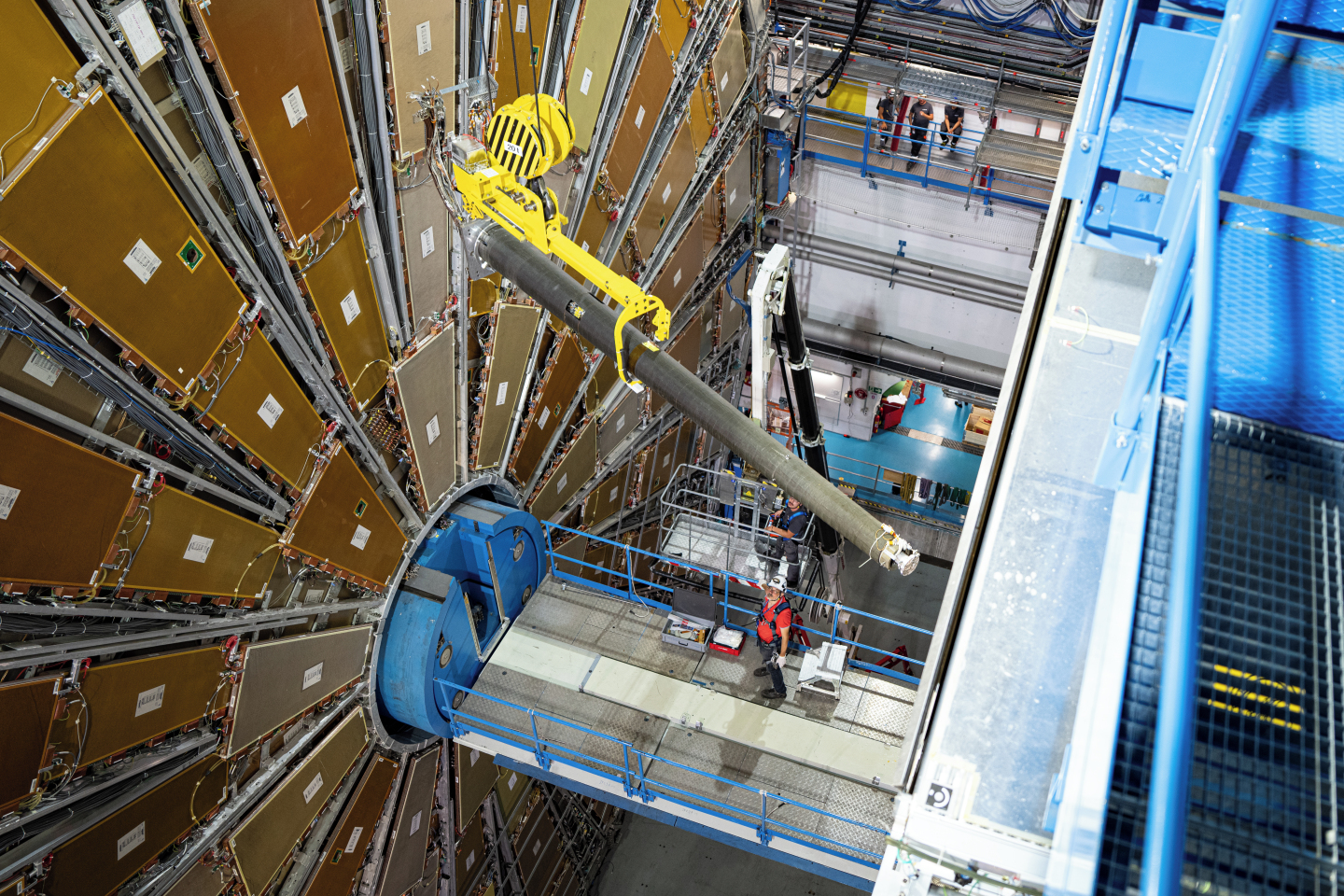
Installing these upgrades is far from a plug-and-play exercise. The original construction of ATLAS has often been compared to building a ship in a bottle, with detector components lowered through narrow shafts and assembled piece by piece in an underground cavern. Engineers must now carefully dismantle that ship and rebuild it with a new generation of detector technologies. The work includes removing and replacing major detector systems, rerouting and installing kilometres of cabling, implementing an upgraded carbon-dioxide cooling system and integrating extensive new computing and services infrastructure.
"Every phase of this engineering effort must be timed to perfection," says Martin Aleksa, ATLAS Technical Coordinator. "We are coordinating teams from around the world, each with their own schedules and responsibilities, while ensuring access to the detector and protecting the delicate systems that remain in place. These operations must be completed on time if we are to be ready when the beams return."
This colossal engineering effort is only part of the story. While teams transform the experiment for the HL-LHC, the global physics collaboration is shifting into high gear to analyse the largest dataset in its history – collected during Run 3 of the LHC.

Over its lifetime, ATLAS has now recorded 505 fb⁻¹ of proton-proton collision data, of which 332 fb⁻¹ was collected during Run 3 alone. "Throughout Run 3, the ATLAS operations teams maintained high data-taking efficiency across proton-proton, heavy-ion and specialised low-energy runs," says Eric Torrence, Run Coordinator. "Their dedication, together with the excellent performance of the LHC and improvements implemented during the previous shutdown, enabled ATLAS to record its largest dataset yet. This rich pool of data means that the coming years will be among the most scientifically productive in the experiment's history."
"These data underpin a rich and diverse physics analysis programme spanning a broad range of subjects, from precision measurements of the Higgs boson to searches for rare phenomena that could point to physics beyond the Standard Model,” says Kerstin Tackmann, ATLAS Physics Coordinator. “When combined with data collected during LHC Run 1 and Run 2, we will more than double our statistical power. This will allow us to stress test the Standard Model of particle physics like never before.”
As one era of the LHC comes to a close, another is preparing to begin.
"We have our work cut out for us, but this is a challenge the ATLAS Collaboration is ready to meet," concludes Stéphane. "The strength of ATLAS lies in its people. Our collaboration brings together individuals from across the globe and from diverse fields of expertise to tackle some of the most profound questions in nature. As we set course for the HL-LHC era, we do so with confidence, knowing that our collective efforts have repeatedly delivered major scientific advances. The years ahead will be defined by both extraordinary scientific discoveries and remarkable technical achievements."
The future, quite literally, is luminous.
Learn more
- CERN bids farewell to the LHC and enters Long Shutdown 3, CERN Press Release, 29 June 2026
- What can you do with 380 million Higgs bosons? CERN Courier, January 2026
- ATLAS prepares for High-Luminosity LHC, ATLAS News, April 2025
- About the High-Luminosity LHC